
Teignmouth Heritage Trail

Enjoy a picturesque walk to discover Teignmouth's interesting history.
The Trail was established by the Teignmouth Midsummer Folk Festival with boards at points of interest round the town for residents and visitors to read. This proved very popular.
There are Audio Guides using microdot technology available (deposit required).
The trail starts at the Museum.

Board 1. Teign Heritage Centre
Teignmouth has the dubious distinction of being the site of the last invasion by a foreign country on English soil.
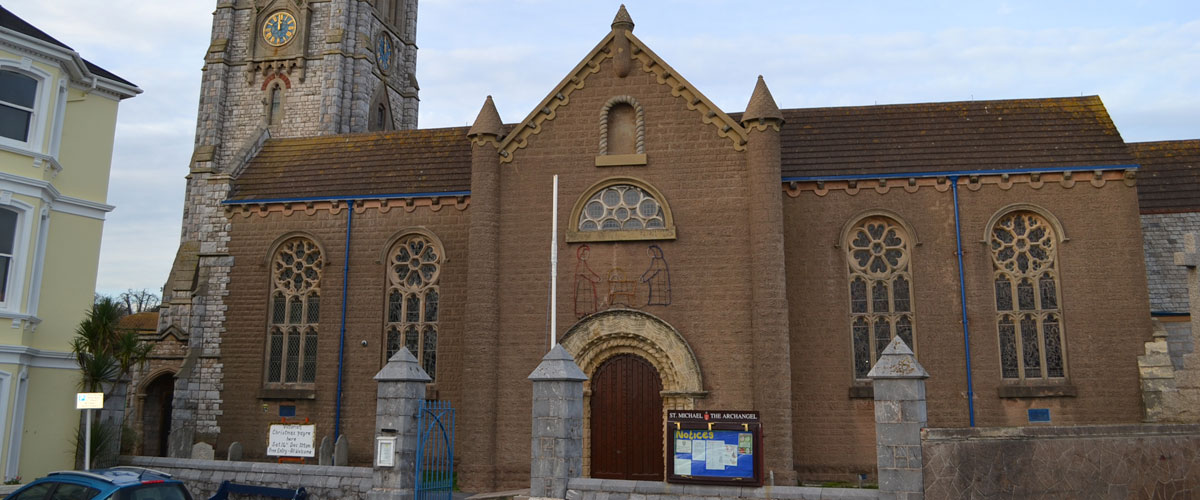
Board 2. St Michael’s Churchyard
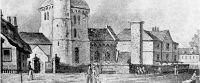
You are standing by the parish church of East Teignmouth which has occupied this site for a thousand years, though the present building dates from the 1820s
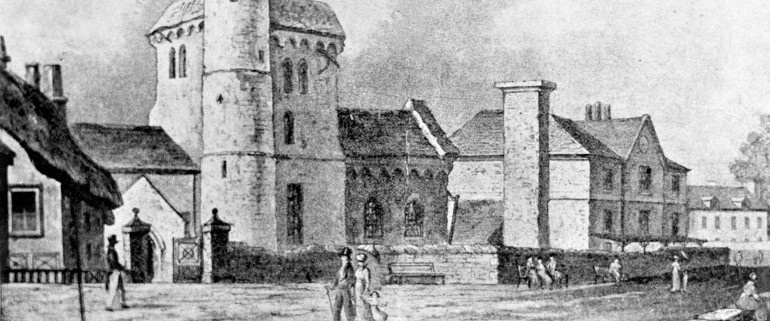
Board 3. St Michael's East Side on Promenade
The little hamlet of East Teignmouth developed around the old Saxon church of St Michael with fishermen’s cottages and salterns or salt huts for the processing of salt.
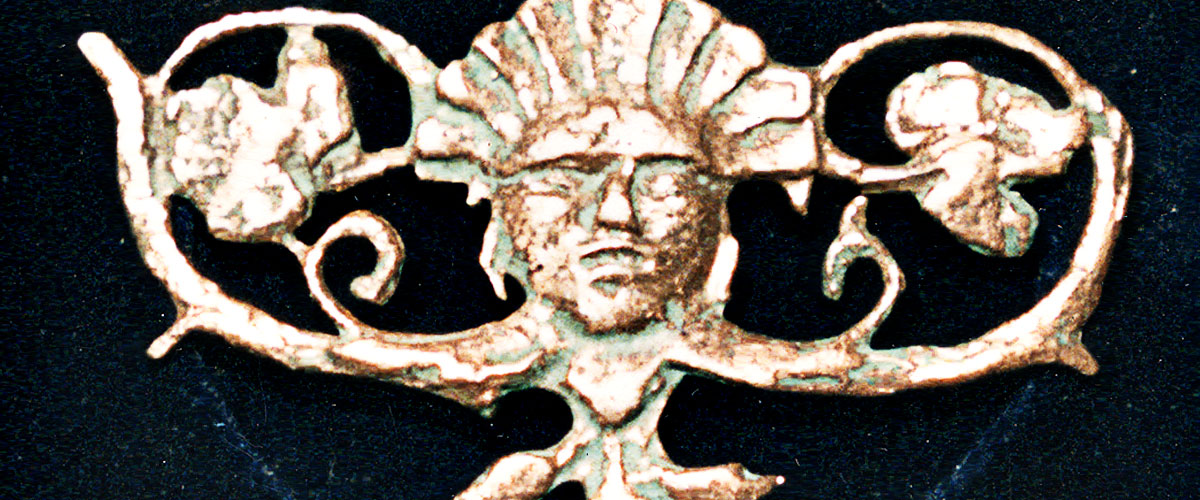
Board 4. Church Rocks Wreck
Just 170 metres offshore from the sea wall lies an important shipwreck of an armed trading vessel dating from the late sixteenth century.

Board 5. Pier Upper Den Carriageway
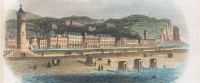
Teignmouth became a fashionable resort in the Georgian and Victorian eras with the construction of the seafront buildings you see today.

Board 6. Den Entrance
The reclaimed grassy area, known as the Den, has seen a great variety of activities over the years.

Board 7. Point Car Park
The River Teign rises in the peaty bogs of Dartmoor and flows 61 miles to its estuary. Shifting sandbars, silting and strong currents have always presented a challenge to both local and visiting sailors.

Board 8. The Ship Inn
The inns along the River Beach are some of the earliest in Teignmouth. The ‘Ship Inn’ has a history dating back to the 1830s when it was originally known as ‘The Pilot’.

Board 9. Trafalgar Names at Ship Inn
The 14 Teignmouth men who fought in the battle of Trafalgar.
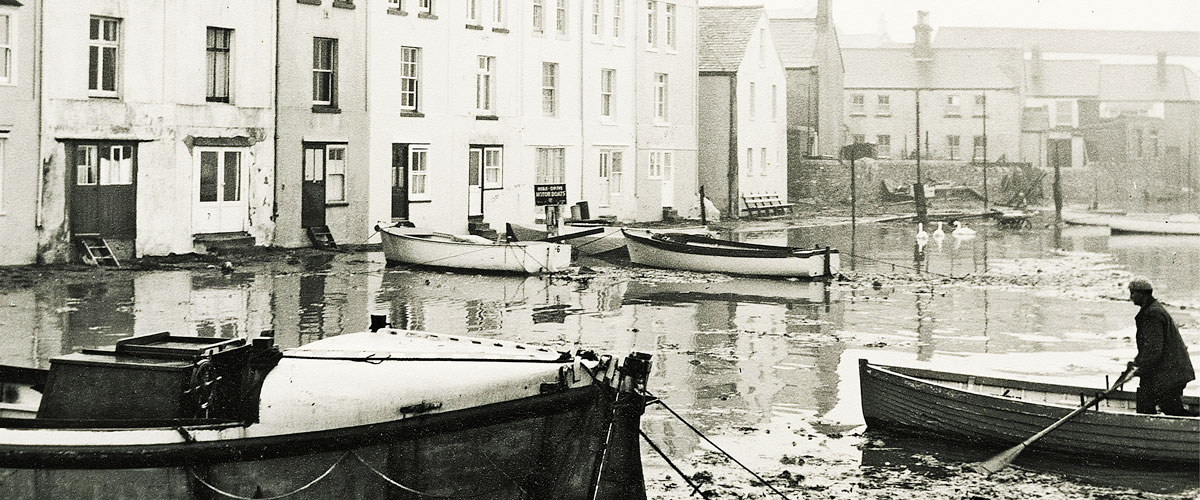
Board 10. River Beach, Fish Quay
By the fourteenth century West Teignmouth had become one of the leading ports on the south coast, exporting local salt, wool and minerals from Dartmoor.
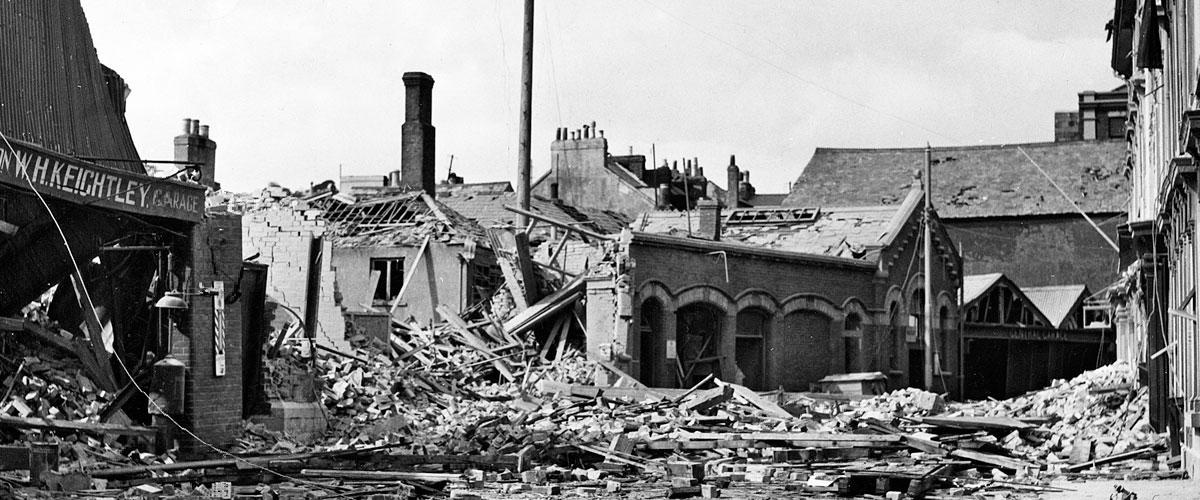
Board 11. George St/Brunswick Street
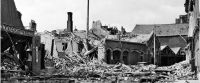
During World War Two Teignmouth suffered more than its share of bombing raids. Between July 1940 and May 1944 79 people were killed and 151 injured.
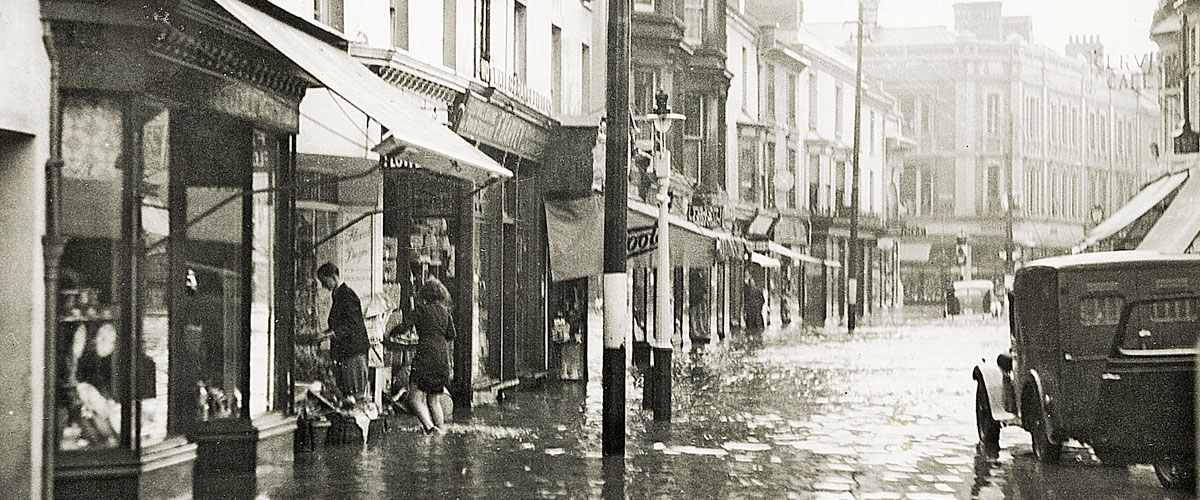
Board 12. Teign Street
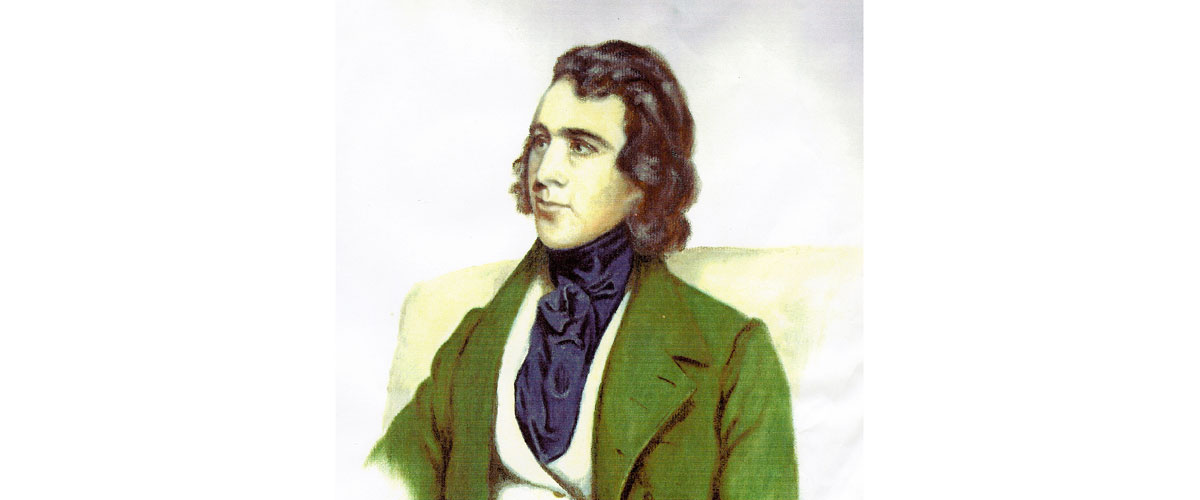
Marine artist Thomas Luny (1759-1837) lived and worked in Luny House which then backed on to the river and gave him his favourite view of shipping and the Ness.
Board 13. St James’ the Less, Parish Church of West Teignmouth
St James’ church was the heart of old West Teignmouth. The original church, dedicated in 1268, was demolished in 1819.

Board 14. Bitton House
The name “Bitton” is believed to have originated from the thirteenth century bishop of Exeter, Thomas de Bytton, who is said to have built a house in West Teignmouth.