
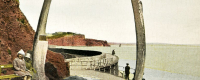


Board 3. St Michael's East Side on Promenade
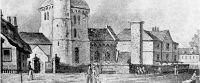
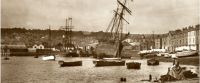
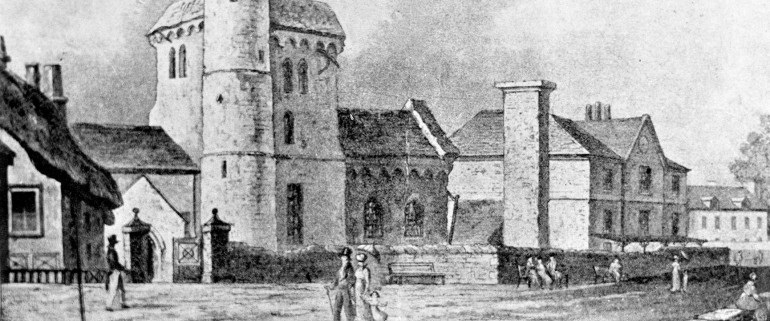
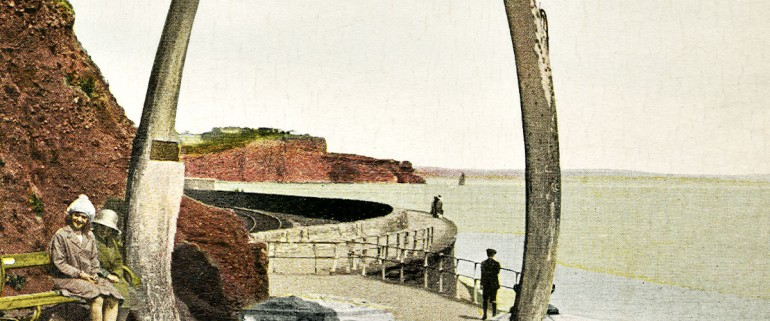
The little hamlet of East Teignmouth developed around the old Saxon church of St Michael with fishermen’s cottages and salterns or salt huts for the processing of salt.
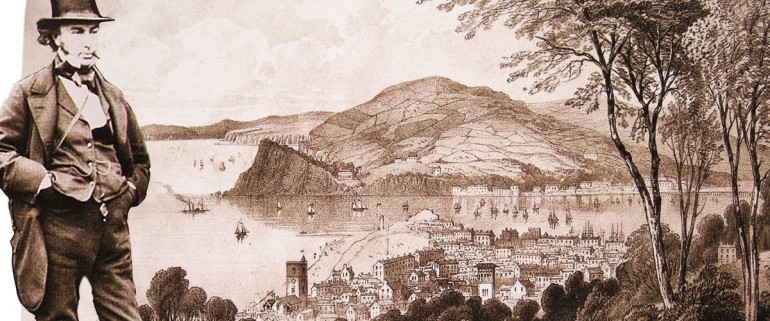
Isambard Kingdom Brunel was the chief engineer responsible for the South Devon Railway.
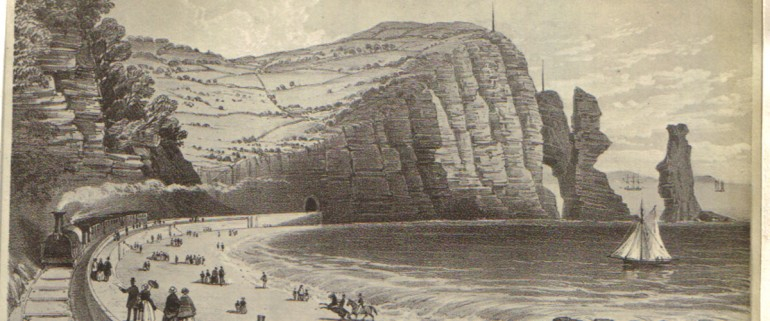
The first train arrived in Teignmouth in May 1846. It was then possible to travel from Paddington to Teignmouth in less than 5 1/2 hours. That summer nearly 10,000 passengers per week used the railway. It was intended that trains would be propelled by atmospheric pressure but this system was abandoned after a year. The original broad gauge line from Exeter to Penzance was converted to standard gauge over one weekend in May 1892 with trains disrupted on only two days.
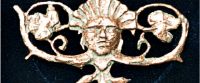
In 1975 13 year-old Simon Burton discovered a sixteenth century wreck on the “Church Rocks” just 170 metres from the sea wall. Subsequently, many artefacts were found at the site including an Alberghetti bronze cannon which can be seen in the town museum together with further information on the wreck.
Your next boards
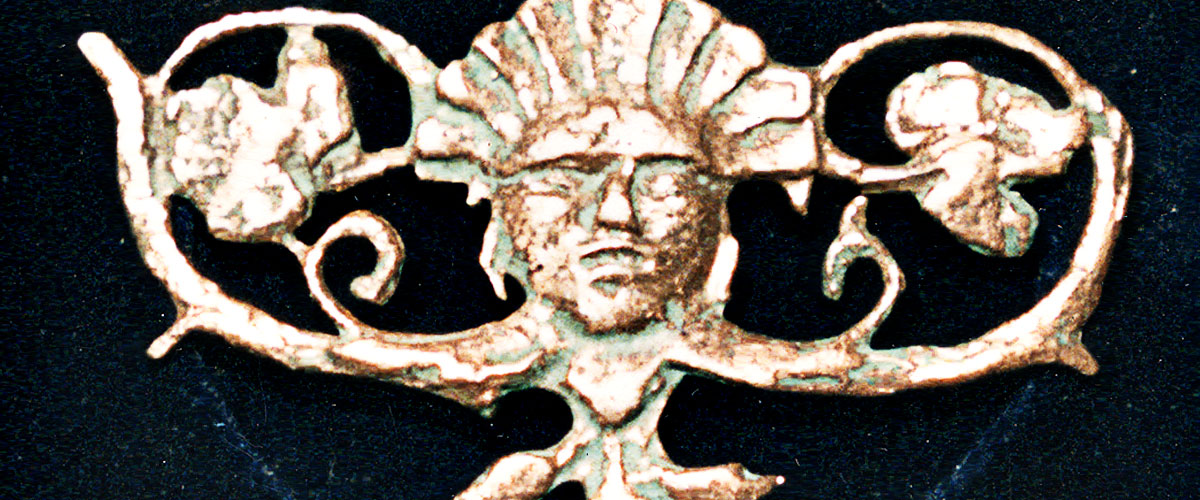
Board 4. Church Rocks Wreck
Just 170 metres offshore from the sea wall lies an important shipwreck of an armed trading vessel dating from the late sixteenth century.

Board 5. Pier Upper Den Carriageway
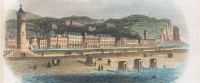
Teignmouth became a fashionable resort in the Georgian and Victorian eras with the construction of the seafront buildings you see today.