

Board 12. Teign Street
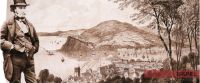
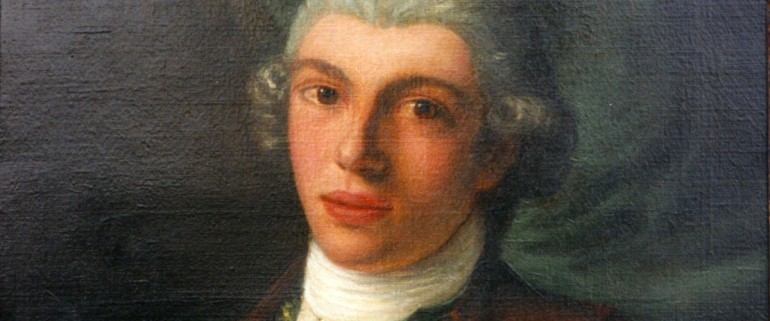
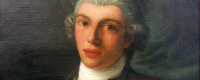
Marine artist Thomas Luny (1759-1837) lived and worked in Luny House which then backed on to the river and gave him his favourite view of shipping and the Ness. He produced over 3,000 paintings, some of which are held in national collections such as the Maritime Museum and our own museum in Teignmouth.
Despite failing health and confinement to a wheelchair, he continued to paint. Contemporary accounts report that his hands were severely disfigured and that his brushes were strapped to his wrists. Luny’s tomb can be seen in the churchyard of St James the Less, West Teignmouth. (About a four minute walk, through the underpass).
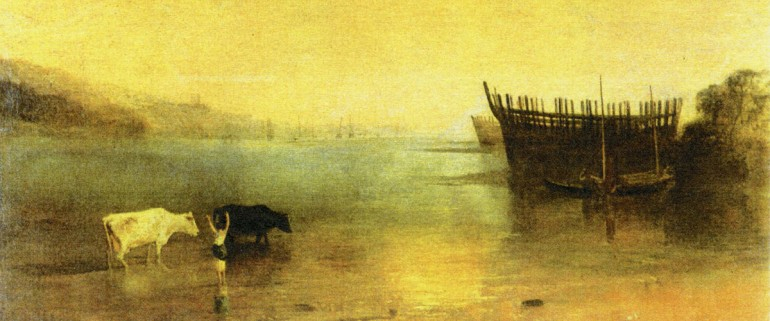
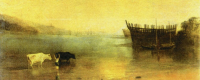
Many other writers and artists have visited the town. J M W Turner produced a series of sketches in 1811; Fanny Burney described the town in her “Tingmouth Journal” of 1773; Jane Austen is said to have stayed here in 1802 and the poet John Keats took lodgings in the town in 1818.
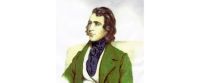
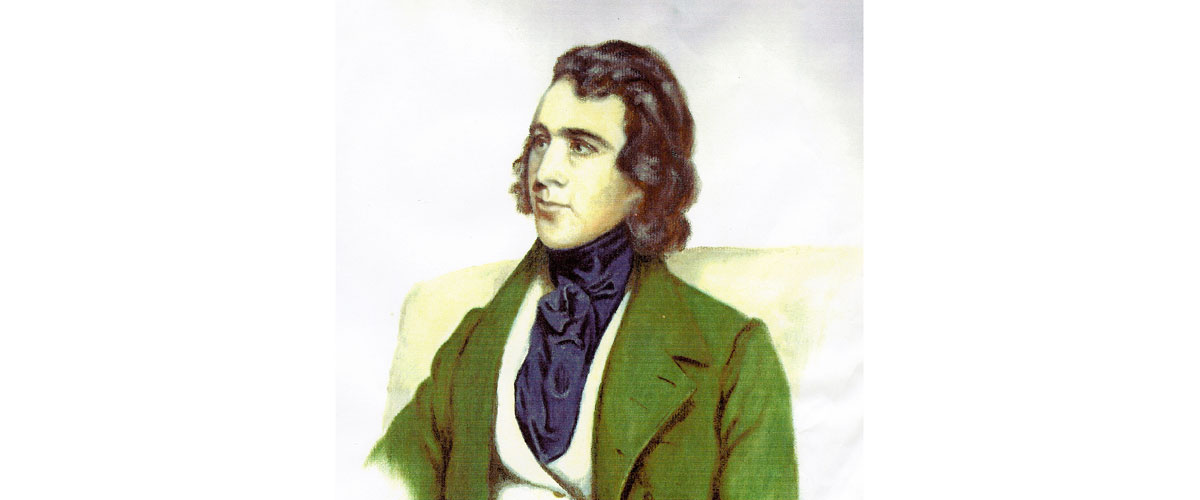
Elias Parish Alvars, the acclaimed composer and harpist, was born in Teignmouth in 1808. In Sun Lane, leading from Teign Street to Gales Hill car park, there is a timber- clad fish smoking house dating from the late nineteenth century. It has now been skilfully converted to private dwellings.
For next board: Continue along Teign St. and cross Quay Rd- BEWARE: heavy lorries- turn left, then right (30m) into path to Bitton House (½ mile uphill).
Your next boards
Board 13. St James’ the Less, Parish Church of West Teignmouth
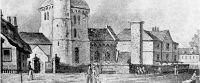
St James’ church was the heart of old West Teignmouth. The original church, dedicated in 1268, was demolished in 1819.

Board 14. Bitton House
The name “Bitton” is believed to have originated from the thirteenth century bishop of Exeter, Thomas de Bytton, who is said to have built a house in West Teignmouth.