
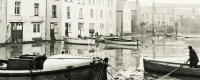
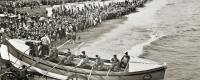
Board 10. River Beach, Fish Quay
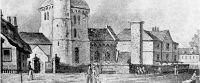
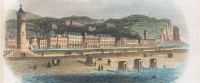
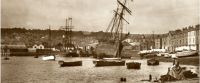
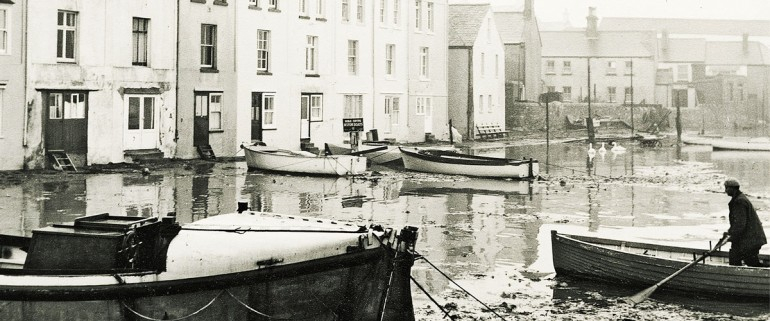
By the fourteenth century West Teignmouth had become one of the leading ports on the south coast, exporting local salt, wool and minerals from Dartmoor. The tradition of maritime trading continued with shipbuilding on both sides of the estuary, the development of the Newfoundland cod trade and the export of granite from Dartmoor. Today, ships still load up ball clay taken from the Bovey basin to be transported to many parts of the globe. Many changes have had to be made to the docks to enable larger vessels to berth, to increase mechanization and to provide additional storage facilities.
The earliest settlements on the Teign were dependent on fishing. Since the “Clean Sweep” environmental programme to improve water quality (completed in the mid 1990s), the area is resuming its reputation as a premier location for shellfish.
For next board: Follow Osmond's Lane back past the New Quay Inn. Cross over Northumberland Place to a footpath leading to Brunswick Street- turn left. Board is at Brunswick Street/George Street junction.
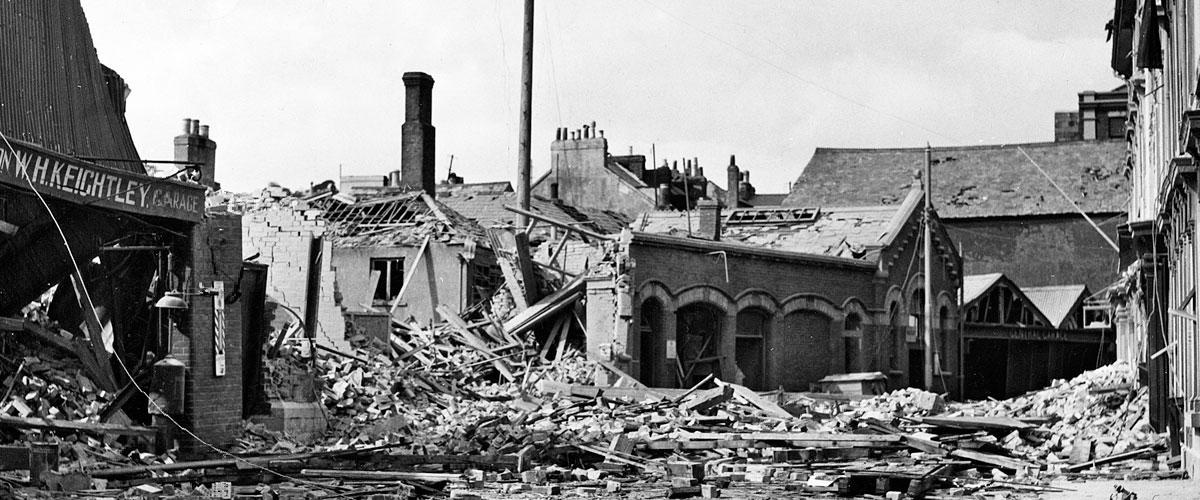
Board 11. George St/Brunswick Street
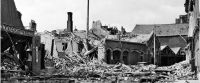
During World War Two Teignmouth suffered more than its share of bombing raids. Between July 1940 and May 1944 79 people were killed and 151 injured.
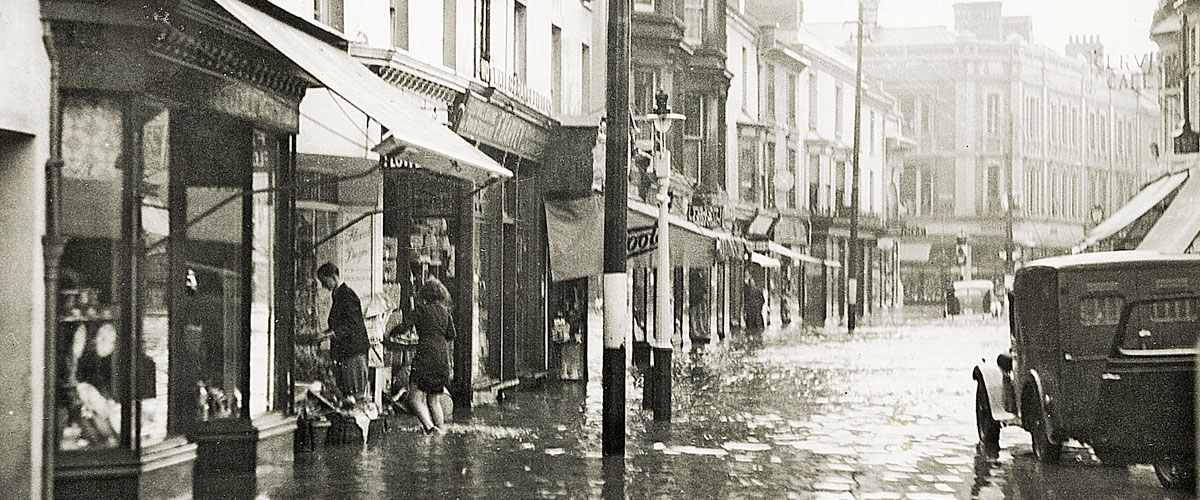
Board 12. Teign Street
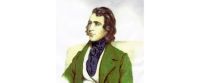
Marine artist Thomas Luny (1759-1837) lived and worked in Luny House which then backed on to the river and gave him his favourite view of shipping and the Ness.