




Board 8. The Ship Inn
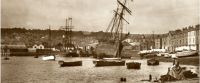
The inns along the River Beach are some of the earliest in Teignmouth. The ‘Ship Inn’ has a history dating back to the 1830s when it was originally known as ‘The Pilot’.
In 1805 fourteen men from Teignmouth fought in the battle of Trafalgar, a large number from a small town of around 2,000 at that time. The men are commemorated on a plaque mounted on the wall alongside this board.
The ‘Jolly Sailor’ dates from the early sixteenth century. It was formerly named the ‘Ferry Boat Inn’ because the ferry ran from outside the inn, at that time. It is reputed to have been used by Catholic worshippers to hold secret Masses, these being forbidden after the Reformation.
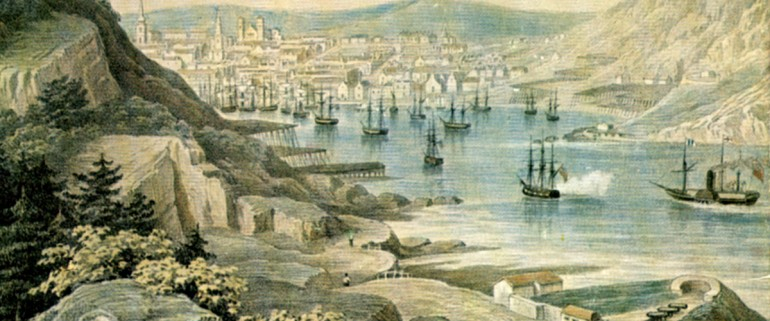
The ‘New Quay Inn’ was formerly called ‘The Newfoundland Fishery’. As early as the mid-sixteenth century West Country fishermen began braving the North Atlantic to fish for cod off the coast of Newfoundland. They left Teignmouth in the spring and returned six months later with their cargo of dried salted cod (or “toe-rag” as it became known to the locals) and goods traded at Mediterranean ports.
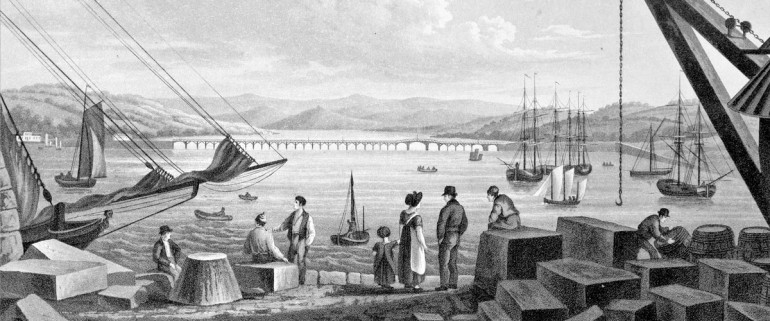
Teignmouth became a much busier port in the early part of the nineteenth century. Granite was in demand as building stone for the prestigious London buildings such as the British Museum. Stone from Hay Tor quarries was transported from Dartmoor on a granite tramway, then by barge along the Stover canal and the River Teign and then loaded on to ships from the New Quay, specially built by Mr Templer of Stover in 1821. The route is commemorated as a ‘way-marked’ walk called The Templer Way.
Your next boards

Board 9. Trafalgar Names at Ship Inn
The 14 Teignmouth men who fought in the battle of Trafalgar.
Board 10. River Beach, Fish Quay
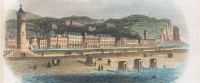
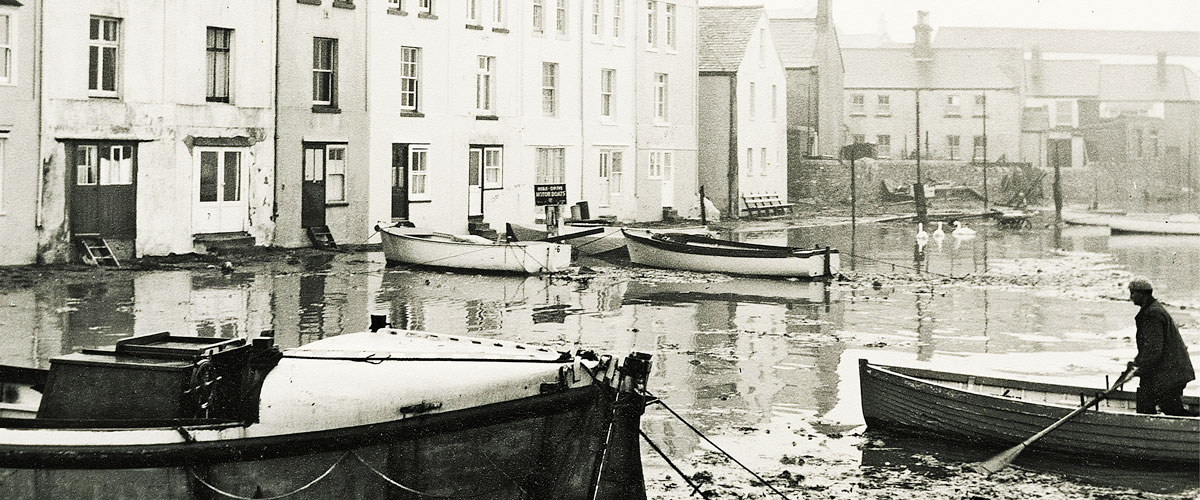
By the fourteenth century West Teignmouth had become one of the leading ports on the south coast, exporting local salt, wool and minerals from Dartmoor.