




Board 14. Bitton House
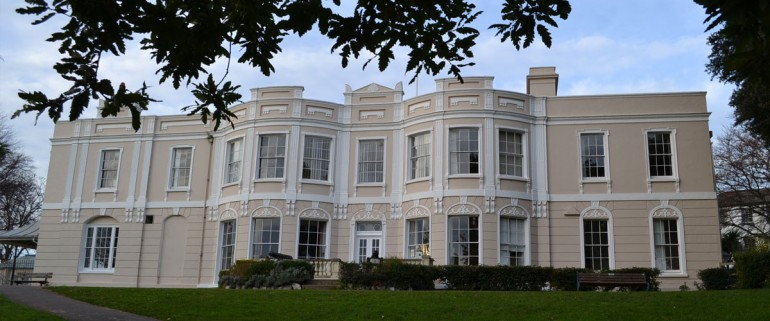
The name “Bitton” is believed to have originated from the thirteenth century bishop of Exeter, Thomas de Bytton, who is said to have built a house in West Teignmouth.
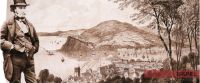
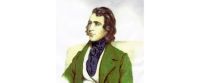
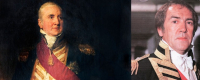
Bitton House is now used as the Town Council offices but at one time, when it was known as West Cliff, it was home to Teignmouth’s naval hero, Edward Pellew, a contemporary of Nelson. Pellew entered the Royal Navy as a thirteen year old purser’s servant and through his outstanding courage and tactical brilliance, rose steadily through the ranks to become Admiral Sir Edward Pellew 1st Viscount Exmouth.
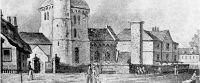
In 1816, his fleet of 17 British and 6 Dutch ships bombarded Algiers, successfully freeing 3,000 Christian slaves. He returned home to national acclaim. Two cannon from Algiers can be seen outside the house. In retirement Pellew devoted himself to good works. He was largely instrumental in funding the rebuilding of St James, the parish church of West Teignmouth.
The Orangery is thought to date from 1842. This date was found inscribed inside during restoration work. The exotic plants are tended by the Friends of the Orangery who also open the premises to the public during the summer.
Your next boards

Board 1. Teign Heritage Centre
Teignmouth has the dubious distinction of being the site of the last invasion by a foreign country on English soil.
Board 2. St Michael’s Churchyard
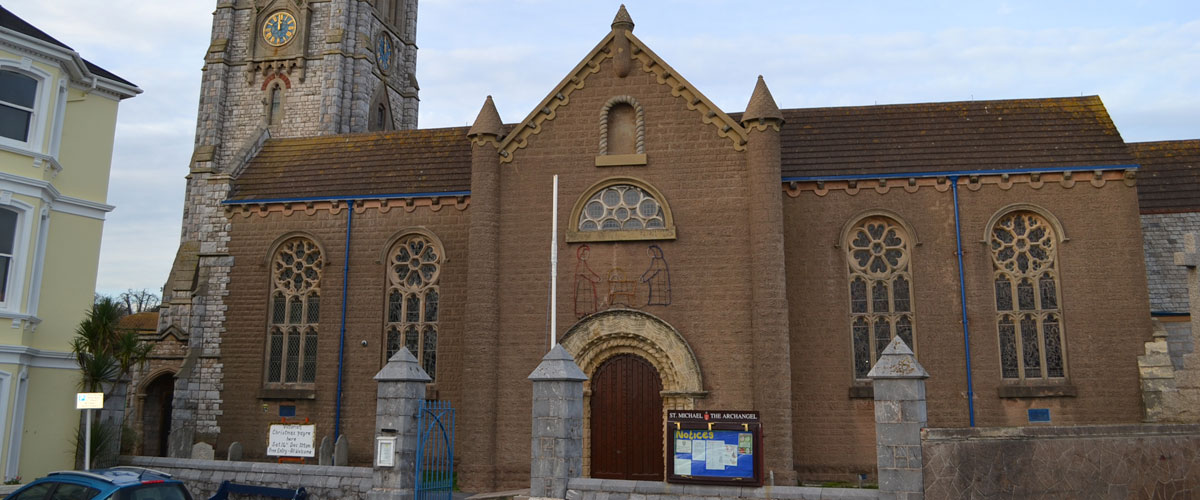
You are standing by the parish church of East Teignmouth which has occupied this site for a thousand years, though the present building dates from the 1820s